Parker Vacumatic Filling System: Buying Without a Restoration Surprise
Inspection field notes
- Confirm whether you are examining a Duofold, Vacumatic, Parker 51 or another model; names are not interchangeable.
- Observe filling mechanism and cap/nib construction; restoration costs differ widely.
- Compare nib, cap, barrel and filling-system condition separately.
Before purchasing, compare the exact item against documented references and seller photographs; illustrated artwork on this site is not historical evidence.
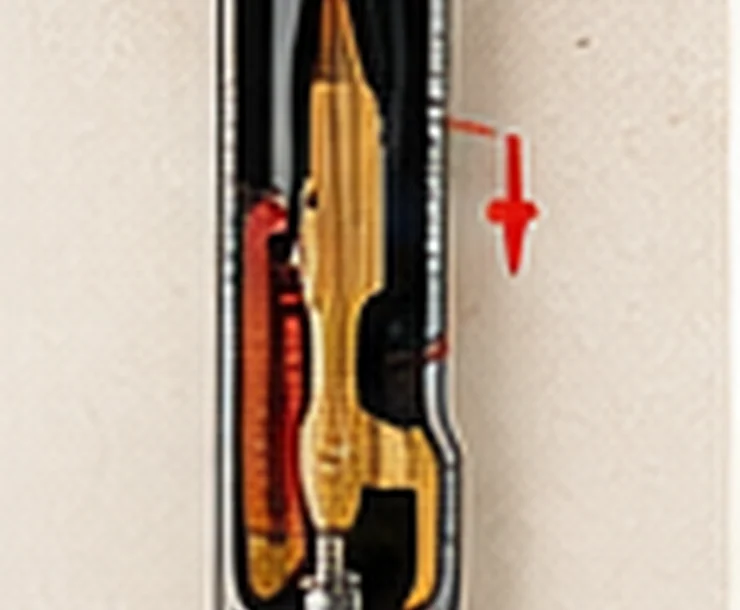
The Parker Vacumatic rewards careful buyers, but its filling diaphragm and vintage celluloid deserve closer attention than a polished listing photo.
This page contains affiliate links. We may earn a commission from qualifying purchases at no extra cost to you.
Understand what the filler does
Vacumatic pens use a diaphragm-based filling mechanism rather than a modern disposable cartridge. Age can harden or damage the diaphragm, and an attractive pen may not fill at all. Ask when the filling system was last restored, who performed the work and whether a water or ink fill test was completed. Do not assume a seller saying "lever works" understands this mechanism.
Barrel clarity and celluloid condition
Some Vacumatic barrels have translucent patterns that can reveal ink levels, though darkening varies with age and color. Inspect for barrel cracks, shrinkage, warping, cloudy material and damage around threads. Celluloid is an aging material and should not be exposed to improvised chemical cleaning. A shiny exterior can hide damage that matters much more than tiny scratches.
Nib and feed originality
Ask for macro photographs of the nib engraving, slit, tipping material and feed. Look for bent tines, heavy polishing, tipping wear and signs of an incorrect replacement. Nib flex claims are particularly easy to exaggerate and should not be accepted without thoughtful documentation. A smooth writing sample is useful, but it does not prove every component is original.
Date codes and generation claims
Parker production details and date markings can help place a pen in a period, but parts were also serviced and changed. Use recognized reference guides to decode markings and compare cap bands, blind caps, nibs and clips. Treat "first-year" and "rare color" claims as hypotheses that need evidence. Misidentifying a common variation can create a large price gap.
Restored vs unrestored value
A professionally restored Vacumatic may be the better everyday writing choice, while collectors sometimes prioritize originality and documented condition. Service work should be disclosed, particularly replaced diaphragms, caps, barrels or nibs. Ask about warranty on filler restoration and ink compatibility. Consider the cost of a specialist restoration before buying an inexpensive but untested pen.
Buying with good photographs
Request uncapped side views, nib close-ups, cap-thread photographs, blind-cap views and a short writing or fill demonstration. Confirm return rights if the pen arrives with a leak or nonfunctioning filler. Compare sold prices only among similar sizes, finishes, nibs and restored states. A generic "vintage Parker pen" comp will not price a specific Vacumatic accurately.
Which buyer are you?
- Daily writer: Favor a proven recent filler restoration and a nib suited to your actual handwriting over an untested rare finish.
- Color-variant collector: Compare barrel transparency, cap bands, date markings, nib and trim against reputable references rather than relying on a seller’s "rare" label.
- Restoration project: Estimate diaphragm and other specialist work before bidding. Old celluloid can be fragile, and repairs are not equivalent to a simple modern cartridge swap.
When to pass, even if the price looks good
Do not rely on a polished cap photograph. Insist on nib, barrel, filler and thread details plus restoration history. Ink leakage, damaged celluloid and improper replacement parts can overwhelm an apparent discount.
Five questions to ask before checkout
- Filling diaphragm service date: Can the seller or manufacturer document this with a model label, clear photo, measurement or other credible evidence?
- Celluloid integrity and translucency: Can the seller or manufacturer document this with a model label, clear photo, measurement or other credible evidence?
- Nib tipping, feed and originality: Can the seller or manufacturer document this with a model label, clear photo, measurement or other credible evidence?
- Cap, barrel and date-code evidence: Can the seller or manufacturer document this with a model label, clear photo, measurement or other credible evidence?
- Return and restoration warranty: Can the seller or manufacturer document this with a model label, clear photo, measurement or other credible evidence?
At-a-glance buying checklist
| # | What to check | Before you commit |
|---|---|---|
| 1 | Filling diaphragm service date | Verify this criterion for the exact model, listing and intended use. |
| 2 | Celluloid integrity and translucency | Verify this criterion for the exact model, listing and intended use. |
| 3 | Nib tipping, feed and originality | Verify this criterion for the exact model, listing and intended use. |
| 4 | Cap, barrel and date-code evidence | Verify this criterion for the exact model, listing and intended use. |
| 5 | Return and restoration warranty | Verify this criterion for the exact model, listing and intended use. |
Compare available choices
These links open current marketplace searches, not a claim that a particular listing is in stock. For scarce or used gear, inspect the actual seller listing before buying. Sold-result searches are research tools, not a guarantee of resale value.
Questions buyers ask
Will an unrestored Vacumatic fill with ink?
It may not. A deteriorated diaphragm can prevent normal filling.
Can I use any cleaning solution on celluloid?
No. Avoid improvised solvents and follow specialist material-care guidance.
Does a writing sample prove the filler is healthy?
Not necessarily. Request separate restoration and fill-function evidence.