Celluloid Fountain Pens: Signs of Shrinkage and Cracking
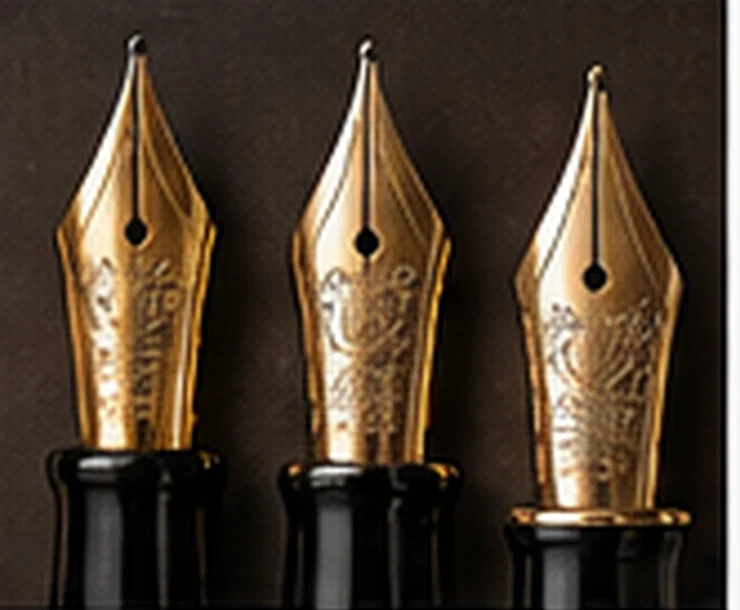
Celluloid can shrink or degrade irreversibly and interacts with old repairs. Prioritize stable material and transparent condition disclosure.
This page contains affiliate links. We may earn a commission from qualifying purchases at no extra cost to you.
How to make a sound decision
Two items described as “the same” can be quite different once you inspect celluloid fountain pens: signs of shrinkage and cracking. Celluloid can shrink or degrade irreversibly and interacts with old repairs. Here is a way to sort that difference without inventing performance tests or trusting a seller’s description blindly. Inspect what the sales listing omits. If the most important evidence for celluloid fountain pens: signs of shrinkage and cracking is absent, ask before paying rather than relying on attractive marketing images.
Define the real use case
Before you shop for celluloid fountain pens: signs of shrinkage and cracking, describe the actual situation: which item you own or collect, how it will be used or displayed, and which failure would be most costly. Prioritize stable material and transparent condition disclosure. This narrows the comparison more than a generic “best” list. Old filling systems, celluloid bodies and tipping materials make restoration history important. Claims such as “flex” require demonstrated behavior rather than gold content alone. Harsh ink or forced disassembly can damage fragile pens.
Evidence worth requesting
Photos of cap lip, barrel seam and discoloration. Ask the seller for an additional photo, actual measurement, label or working demonstration if the claim is material to the purchase. If a technical specification is absent, consult the original maker’s instructions, not a guessed value scraped from a similar model. Celluloid can shrink or degrade irreversibly and interacts with old repairs.
What can go wrong
Buying a cracked part because polish makes it look acceptable. It is easy to overlook because a listing might still look attractive in thumbnail form. The remedy is to verify the precise variant and condition before checkout. Prioritize stable material and transparent condition disclosure. If the seller cannot answer a simple fit or identity question, hold the purchase rather than hoping for compatibility.
The detail that changes this purchase
Celluloid can shrink or degrade irreversibly and interacts with old repairs. That is the first reason not to decide by product title alone. For celluloid fountain pens: signs of shrinkage and cracking, a useful comparison starts by recording what can be observed and what must be checked elsewhere. Photos of cap lip, barrel seam and discoloration. When two options look equivalent on price, the one with better evidence often deserves closer consideration.
How to evaluate the seller’s claim
Work from the actual object outwards. Look for inscriptions, body shape, original assembly details, wear patterns and the absence or presence of repairs. Photos of cap lip, barrel seam and discoloration. Ask whether the listing shows the exact item you will receive; representative stock images are rarely enough for a collectible. Buying a cracked part because polish makes it look acceptable.
Build a useful sold-price comparison
Find several completed transactions, then narrow to examples with closely related variants. Celluloid can shrink or degrade irreversibly and interacts with old repairs. A restored item, a partial lot and a boxed original are not direct substitutes. Adjust your judgment for condition, fees, included accessories and the reliability of identification. The final sale amount is historical information, not a prediction.
A good reason to walk away
Buying a cracked part because polish makes it look acceptable. Other warning signs include cropped identifying photographs, inconsistent description of repairs or pressure to waive normal marketplace protections. If the seller cannot document the distinguishing feature you are paying for, a lower-confidence item should be priced accordingly or skipped.
When preservation outranks restoration
For celluloid fountain pens: signs of shrinkage and cracking, cleaning or refinishing may improve day-to-day appearance but reduce evidence of manufacture and originality. Choose reversible, non-invasive protection first. Seek specialized restoration advice before doing anything that changes finishes, markings or mechanical parts. This is especially important when seller value depends on “untouched” condition.
Three approaches to compare
Which route makes sense depends on documented condition, your intended use and the consequences of a wrong purchase. The following are decision approaches, not unverified product rankings.
| Approach | When it can make sense |
|---|---|
| Originality-first | Choose where documentation supports the original variant. Photos of cap lip, barrel seam and discoloration. |
| Display-first | Cosmetic condition and stable preservation may matter more than full operation. |
| Function-first | Buy only when the object can be used or restored without unacceptable risk. |
Checklist to use on an actual listing
- Identity. What exact model, era or component is this? Photos of cap lip, barrel seam and discoloration.
- Compatibility. What does it need to fit or work with? Prioritize stable material and transparent condition disclosure.
- Condition. Which defect would change the price or safety judgment? Buying a cracked part because polish makes it look acceptable.
- Evidence. Can the specific seller provide supporting photographs, measurements and repair history?
- Total cost. What else is needed: service, shipping, fitting, storage or insurance? Separate nib, barrel, cap and filler conditions.
- Exit route. Are there clear return terms, service parts and a sensible alternative if it does not work?
Separate condition from rarity
A scarce object can still be compromised by refinishing, missing original pieces or hidden structural issues. Compare surfaces and construction with documented original examples before accepting an exceptional rarity claim. Prioritize stable material and transparent condition disclosure.
Protect the item in transit
Collectors should think about how a fragile original will be packed and insured. Good photographs before dispatch and a clear return policy are part of the purchase, not an afterthought. Prioritize stable material and transparent condition disclosure.
Safety and responsible use
Old filling systems, celluloid bodies and tipping materials make restoration history important. Claims such as “flex” require demonstrated behavior rather than gold content alone. Harsh ink or forced disassembly can damage fragile pens. Check the maker’s safe-handling or service instructions before attempting repairs, particularly with older electrical, mechanical or sharp components.
Before checkout
Separate nib, barrel, cap and filler conditions. A cosmetically appealing bargain may require specialist work before it writes. Compare sold examples with matching material and nib configuration. Review seller identity, returns and shipping before you pay. Inspect what the sales listing omits. If the most important evidence for celluloid fountain pens: signs of shrinkage and cracking is absent, ask before paying rather than relying on attractive marketing images.
Retail links above are affiliate links. eBay sold-result links are for market research; completed-sale amounts can change and may include materially different variants. No live prices or availability are claimed.
Common questions
What should I check first for celluloid fountain pens: signs of shrinkage and cracking?
Start with identity and the most consequential technical detail. Photos of cap lip, barrel seam and discoloration. If it cannot be verified, move to a better-documented option.
Does a higher price mean the option is better?
Not without evidence. Celluloid can shrink or degrade irreversibly and interacts with old repairs. Compare like-for-like models or examples and calculate total delivered cost.
When should I skip the listing?
Walk away or request clarification if the seller cannot resolve this issue: Buying a cracked part because polish makes it look acceptable.
Should I choose new, used or refurbished?
A supported new product is often easier to return and service; used examples can offer value only when condition, fit, and ownership risks are documented. For collectible originals, preservation may matter more than newness.